The signal breaks
AI broke the resume.
When anyone can generate a perfect resume with AI and use bots to apply at scale, the resume stops being a useful signal.
Nobody describes hiring or getting hired as a really great experience. That is exactly why we chose the name.
Really Great takes a phrase the category has made impossible to believe and puts it back on the table. It refuses to be the hundredth workflow tool with a serious name. It states the possibility of something better, then dares us to earn it.
The phrase already lives on both sides of the search. Companies want to find really great people. Candidates want to show what they are really great at and find really great opportunities. The name belongs to both sides.
“I am really great at product design.”
“I'm looking for someone really great at product design.”
Really Great is praise for regular people, never an elite badge. It names what both sides want and what the old system keeps them from seeing. Real is how we get there: real work, real stories, real people, and real opportunities. The moment the brand feels exclusive or luxury, it is off-brand.
Hiring runs on a signal that can no longer be trusted.
Hiring is built on the assumption that a resume is a trustworthy signal. AI broke that assumption. Candidates now use AI to tailor their resumes to every job and apply at scale. That is rational for any individual candidate. When everyone does it, the system collapses. Companies are overwhelmed by thousands of perfect-looking matches. Candidates get silence as hiring grinds to a halt. Both sides are stuck.
The fix everyone else is building is more AI filtering and automation: people processed by systems that cannot see what actually matters about them. It makes hiring more inhuman without making it work better.
Hours of staring at AI-generated resumes that all look the same. Getting stuck on thirty-minute screening calls when one minute in you already know it is not a fit. Finding the right person is a full-time job on top of the actual job.
Candidates think they don't care. They can't see how desperately this person wants to find someone.Tailor the resume. Apply.
Nothing.Let AI polish everything. Apply to more.
Nothing. Everyone else polished too.Watch friends who've been out for months.
The silence starts to eat at you.Apply anyway.
Nothing.Start wondering if you're the problem.
The resume was adequate infrastructure for a simpler era. AI changed both the work and the way people apply, making its limits impossible to ignore. Hiring needs a new way to connect people and opportunity.
Answer a question. Become discoverable. Choose which intros to accept.
Type what you need. Hear real people talk about doing it. Request an intro.
Humans are fucking awesome, and it's our job as a company to show that.
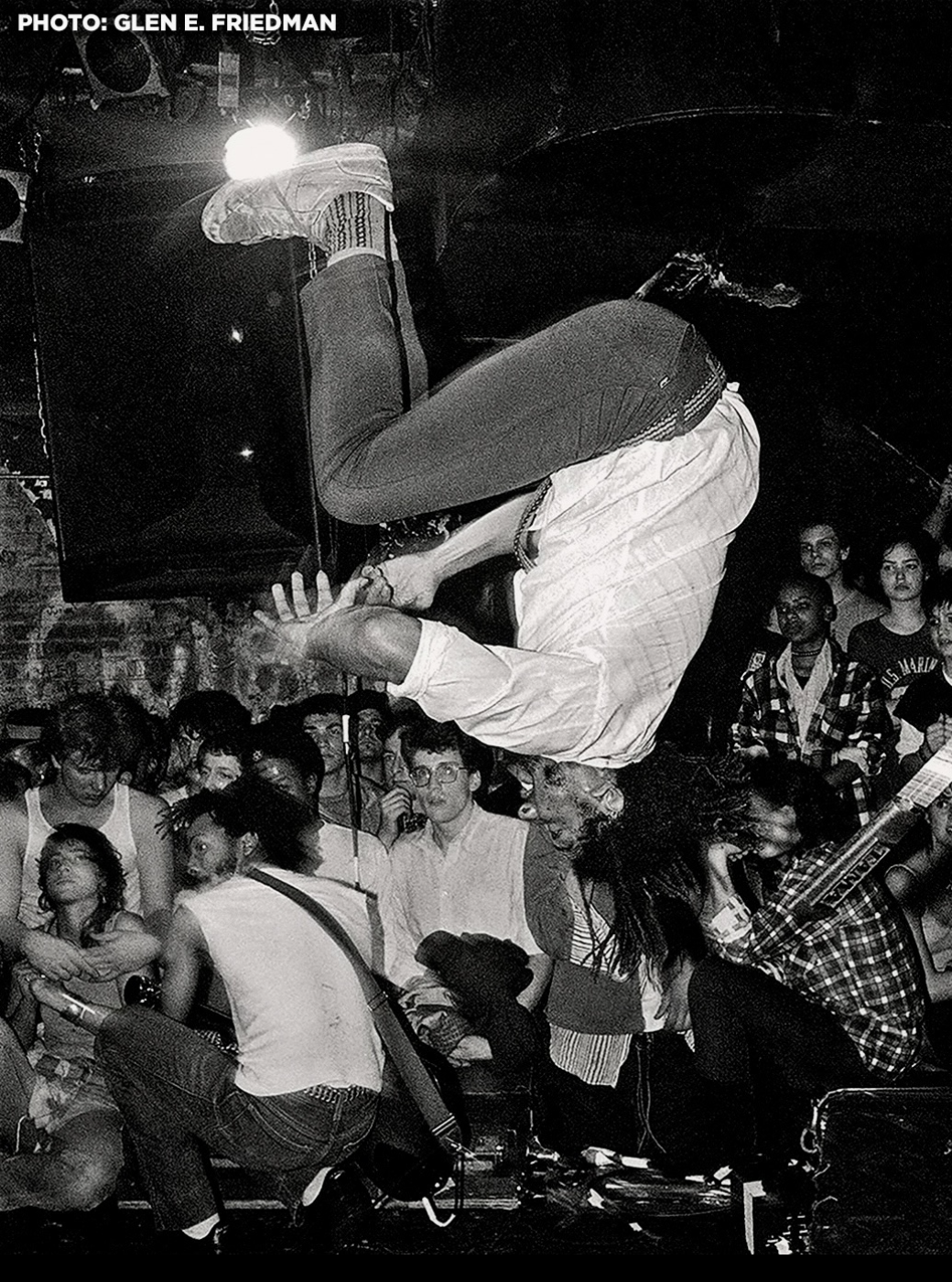


A backflip over a crowd. A superman pose at speed. A body rising toward golden light. This is what the belief looks like out in the world: people doing the thing they know they can do, in the open, with witnesses. That confident daring is exactly what the application pile takes away from people, and giving it back is the job.
Work is at an economic transition point. Companies are actively deciding whether the next problem gets a person or more AI. Candidates are carrying the fear that question produces: will I have a place, will I be valuable? Everyone is feeling some version of displaced.
Resumes worked when hiring meant listing skills. Now companies need the things a resume cannot show: judgment, communication, creativity, collaboration, ambition, and the ability to put AI to work. Those qualities become more valuable as AI takes on more tasks. A resume was never built to show them. Really Great is.
The villain is the system that makes people invisible and fuels the fear that AI will replace them. The brand is anti-AI-replacement, never anti-AI.
What the belief delivers is being seen. Candidates arrive worn down by months of silence and the creeping sense that nobody can see what they are worth. The answer is a real person seeing what you can do because they are looking for someone like you. Every surface should carry some of that feeling: someone finally sees who you actually are.
AI made hiring fake at scale. Resumes are generated in seconds. Bots apply to every role. Machines screen the applicant pile. When every resume looks perfect, companies have no idea which candidates are an actual fit. Candidates apply for jobs that may not be real, compete with applicants who may not be people at all, and wonder whether a person will ever see them. Each shortcut creates more noise and less trust. The whole thing feels fake on both sides.
Humans are fucking awesome. It is our job to show that.
For decades, companies hired for skills, and resumes were built to list them. Now companies need the things a resume cannot show: creative thinking, communication, collaboration, problem-solving, judgment, ambition, and the ability to put AI to work.
The market is filling with tools that use AI to flatten people into cleaner data points and make the old system run faster. The pressure everywhere is to replace people. We are making the opposite bet.
We bet on people. We build for people. We show off what they have done, what they can do, and everything they bring to the work that no data point can capture.
Humans are fucking awesome. Really Great is going to show the world why.
Candidates talk about the work they have actually done and become discoverable. Companies understand that work directly instead of guessing from an AI-generated resume. Both sides decide whether to connect with better information and a real reason to talk. That is what real hiring looks like: companies finding real candidates, people finding real opportunities, and real outcomes on both sides.
Hiring is absurd because good people are already there and the system keeps them invisible. It buries companies in perfect resumes and sends candidates into months of silence. Really Great lets people tell their story and gives companies a way to find them. When companies can actually see people, good people stop being hard to find.
When anyone can generate a perfect resume with AI and use bots to apply at scale, the resume stops being a useful signal.
The hiring system is built on the resume. When that signal stops working, every screen, ranking, and decision built on top of it becomes guesswork.
Being real becomes a disadvantage. Candidates compete with AI-polished applications. Those who do not play the same game disappear into the noise.
Hiring teams are buried in applications they cannot trust. They spend hours sorting through the noise, trying to find the right person but unable to tell who is an actual fit.
Candidates want a fair chance to show what they can do. Hiring teams want to find someone great because their own success depends on it. The system turns that care into silence for one side and noise for the other, making each feel like the other does not care.
Candidates talk about work they have actually done. Companies understand that work directly. Companies find real candidates, people find real opportunities, and both sides get what they came for: a hire that actually fits.
Use the arc. Long form uses all five beats. Short form uses one or two. No critique without a path forward.
The instigator friend.
Really Great tells the truth about a hiring system that has become absurd, then makes people laugh hard enough to do something different. We are cheeky and confrontational in service of motion. We are unequivocally on the audience's side.
Take a position. Name the broken mechanism. Make the next move clear. Humor should create motion rather than decorate the writing.
Show that we understand what candidates and hiring teams are living through. Specific truth creates recognition. Reassurance and praise do not.
The Application Pile, manufactured signals, automated filtering, and the process that forces both sides into bad behavior.
Candidates using the tools available to them and hiring teams drowning in noise. Both are responding rationally to the same broken system.
Raise the stakes. Name the specific absurdity, pain, or fear and make the side we are on unmistakable.
Show why the system produces the problem or why a familiar signal no longer works. Change how the audience sees it.
Use the details people recognize from their own experience. Understanding comes from accuracy, not affirmation.
The joke is an entry point. It earns attention, exposes the absurdity, and opens the door to the better move.
The system produces the behavior. The joke never makes a candidate or hiring team feel worse about themselves.
Every joke should open onto a realization, a reason to act differently, or the better mechanism.
Sharpness names what is wrong. The piece still shows what can change. No critique without a path forward.
Really Great already supplies the warmth and praise. The language around it earns credibility by staying efficient, controlled, and measured. Do not add motivational language to a name that already did that work.
We do not tell people how to feel, praise them abstractly, or narrate their emotional journey. The writing shows that we understand by naming what is actually happening.
Talent acquisition. Pipeline optimization. Candidate journey. Unlocking potential.
Hold space. Lean in. Honor your journey. Bring your whole self.
You've got this. Believe in yourself. You deserve to be seen.
We believe. Perhaps. Reimagining. Future-ready solutions.
Use the strongest case. Name the enemy, use humor, take the provocative position, and point to the replacement. Swearing is available when it carries conviction, never as decoration.
Use respect and agency. Name the pain precisely, challenge the next move, and never console or patronize.
Use clarity and confidence. State what changed, show the practical alternative, and avoid HR workflow language.
Be calm, literal, and useful. Help the person understand what happened and what to do next. The interface does not perform the manifesto.
Our promise is specific: here, you are meeting a real person. The design has one job: make that claim visible without vouching for it.
The category's answer to fakery is trust chrome: badges, checkmarks, "verified by us." A badge is the system vouching, which makes the system the hero again. A claim about people cannot be decorated onto a resume-shaped product.
The move that works is an inversion. Instead of certifying that people are real, the design makes each person the source of light and builds everything else as the room around them. You don't have to vouch for what someone can see directly.
The feeling underneath all of it: looking for a job is scary, and so is trying to hire. What if nothing comes, what if you pick wrong. The same moment is also one of life's big adventures, a world of possibility opening up. The system sides with the adventure. Open air, daylight, room to breathe: the airiness is the sense of possibility made visible, and it is why this looks nothing like recruiting software.

“entertainment and technology professional with over 14 years of experience…”
The proof: strip the people out of any screen and it should read as an empty room: calm, warm, and visibly incomplete. If the system still performs without them, the design has made itself the hero, and it has failed.
Sky tells you what's alive; sunlight tells you where to act; paper holds them apart; people supply the life.
A name written by a confident hand.
The wordmark is a hand-lettered fat 1970s script, Really Great on one line. It is a signature, not a font: it appears once per screen, in signature positions, and never inside running copy.
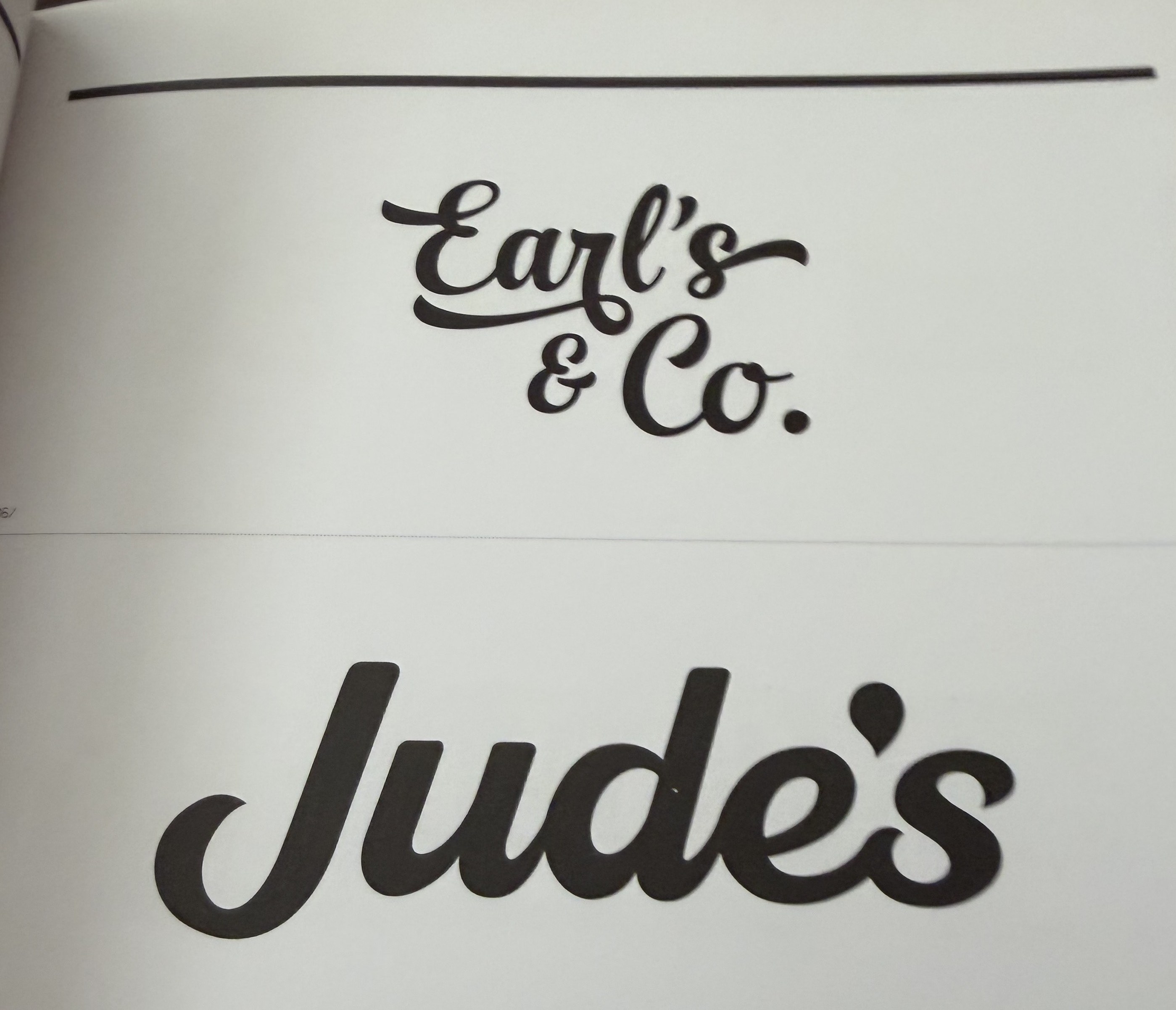
Earl's & Co. and Jude's, photographed from the reference pile: fat 1970s scripts with body, names written by a hand and made permanent. The wordmark was drawn into this family.
Blown up far past any real use, the letterforms stay fat and sure of themselves.
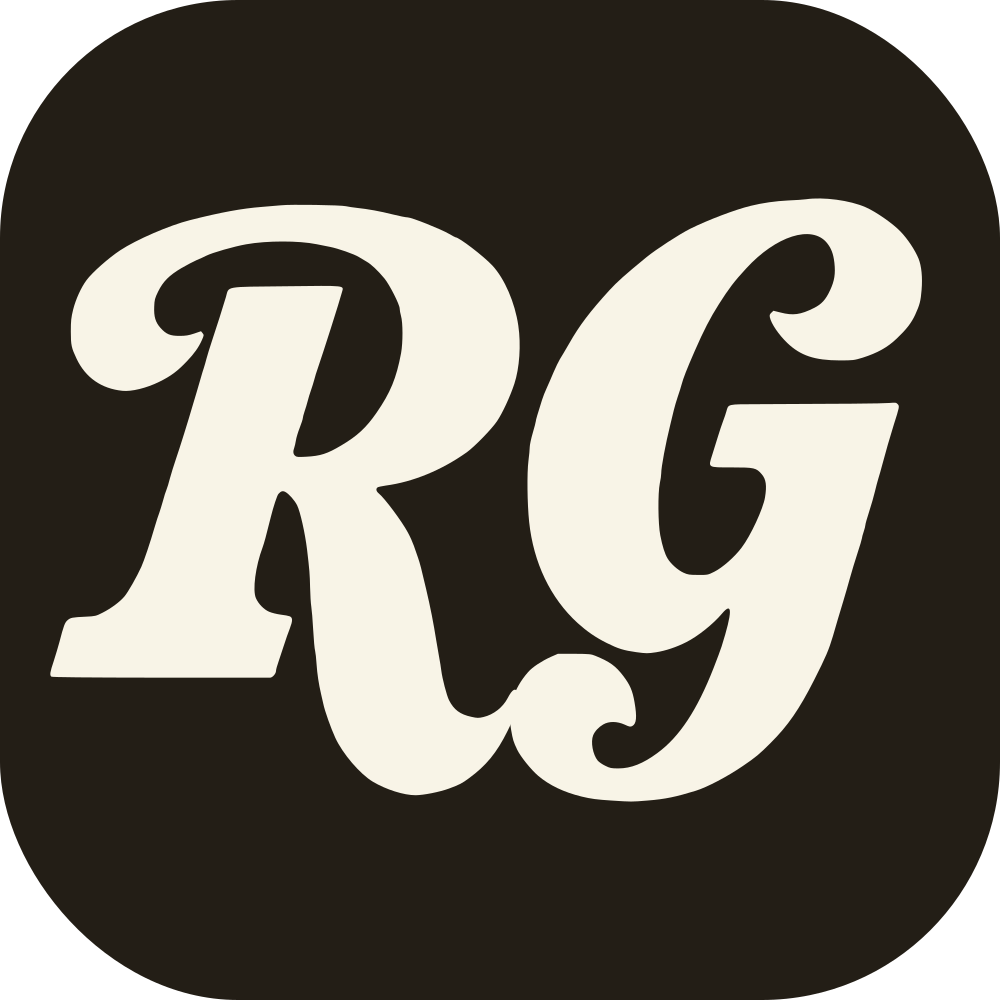
The avatar gives the hand-lettered wordmark a compact home when a square or circular space cannot carry the full name. The letters touch, preserving the fluid motion of the script.
Four families, each with exactly one job.
One warm daylight ground. Raised means closer, never different.
One dark, warm graphite: reading ink and the room behind people.
What's alive or open. Thin signals. Never a button.
The one lit action per screen, plus the sun's trace. Never a status, never a field.

Gold as an entire world with one human in it. The field runs hotter than our own gold; what the brand keeps is the sun.

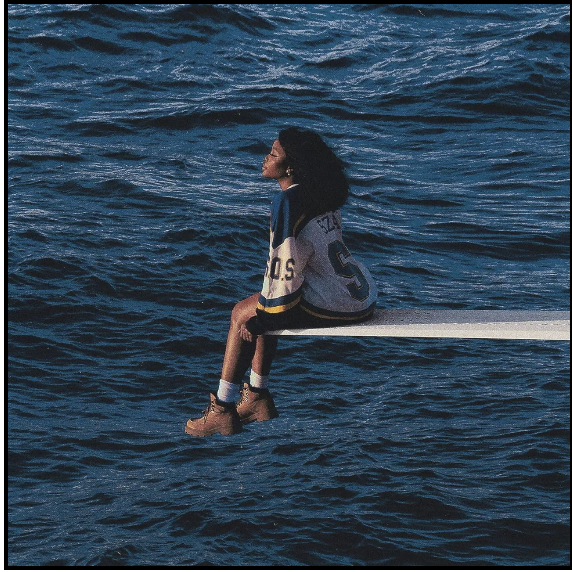
The diving-board moment the feeling is named for: calm before doing the thing you know you can do, in full daylight. The world's open-water blue is where sky comes from.
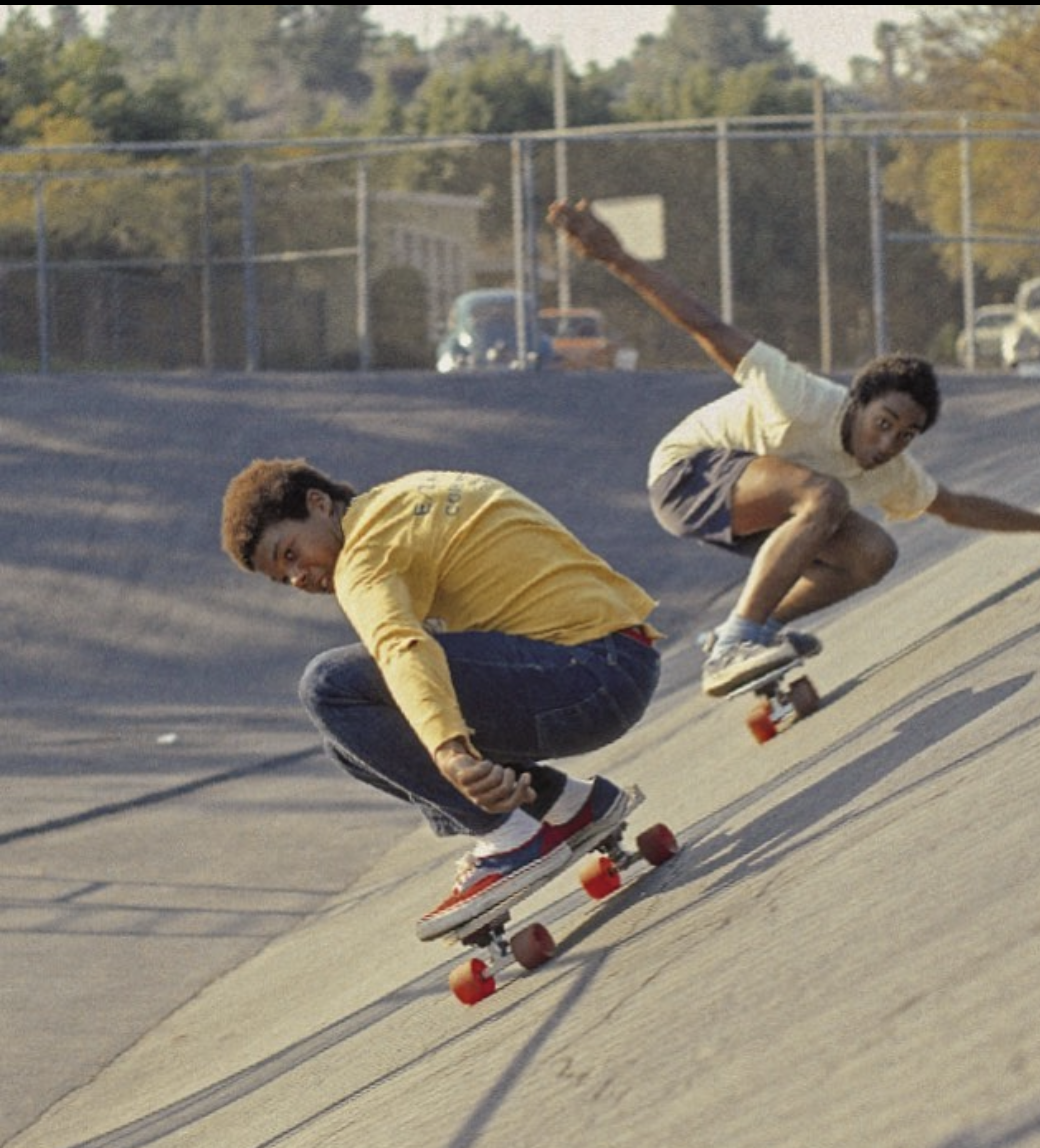
Documentary warmth: real skill, golden light, film grain. Warm paper and warm graphite come from here.
The product speaks one calm voice. The serif is reserved for people.
Companies search interviews and request intros.
UI, body, headlines, chrome, and everything the agent says. Weights 400 to 700.
“we grew the newsletter from zero to 15k…”
Only verbatim words a person actually said, in quotation marks. Quotation marks are a promise. No clean quote, no serif: fall back to plain Whyte without quote marks.
Work experience · 2:41 · Saved
Eyebrows, badges, counts, durations. Human words never render in mono.
The agent never gets its own typeface; it differentiates by container, never by face. Candidate speech and agent speech never share a voice. No other fonts, ever.
Open-air places where skill happens in public.
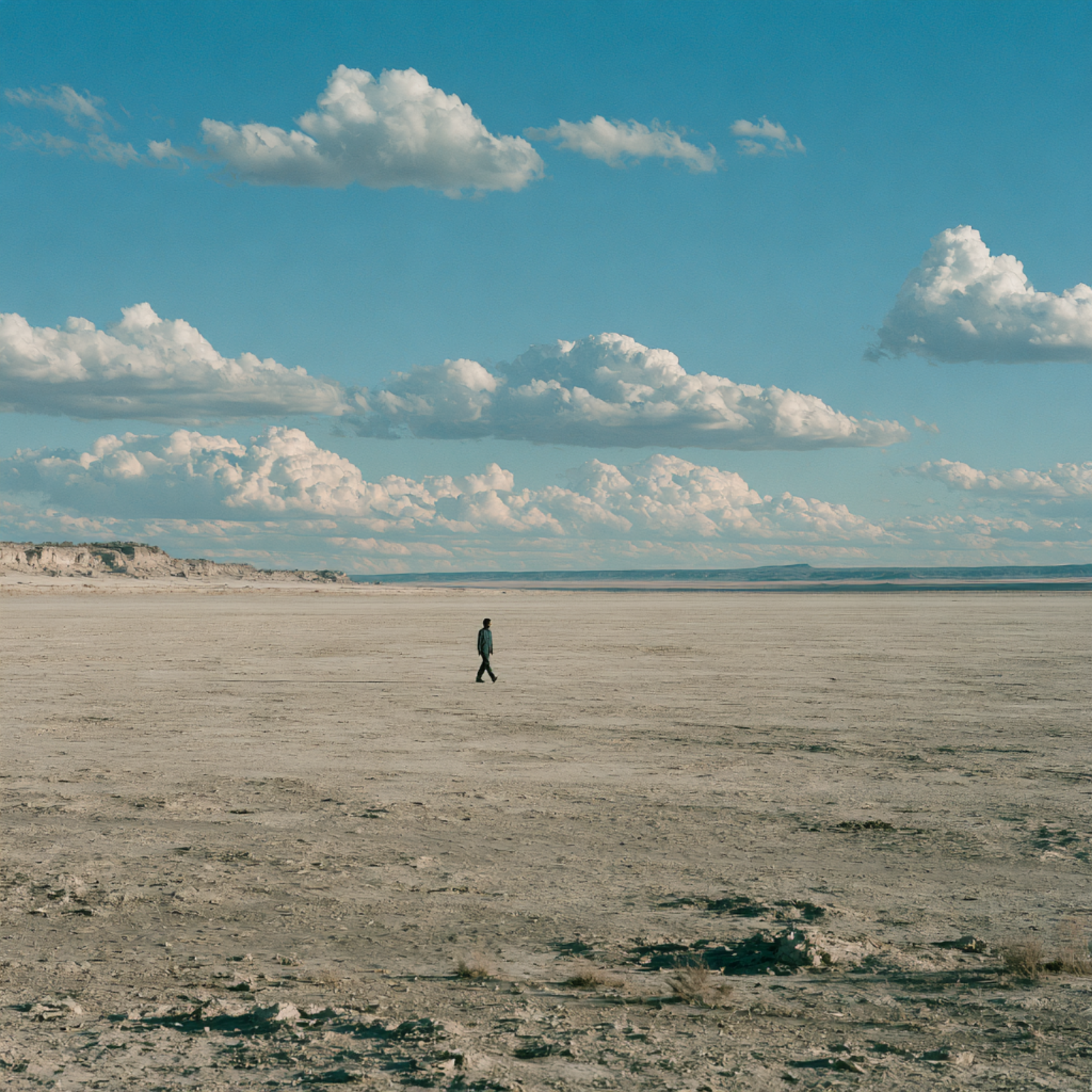
One vast flat field of color, one small hero in it. One field color per scene, never mixed. Morning through golden hour; never night, never neon. The feeling is the diving-board moment: calm right before doing the thing you know you can do, in front of people, in full daylight. Certainty with witnesses. The emotional enemy is recording anxiety.
We show people in the world, not workers at work. They may be doing something difficult, but they are never performing for approval. They are seen without being examined. Open air, daylight, scale, and wonder make possibility visible. That is why the world contains fields, water, roads, ramps, and open sky, never conference rooms, desks, whiteboards, handshakes, or staged collaboration.

The world's open-water blue is where sky comes from.
Gold as an entire world with one human in it.
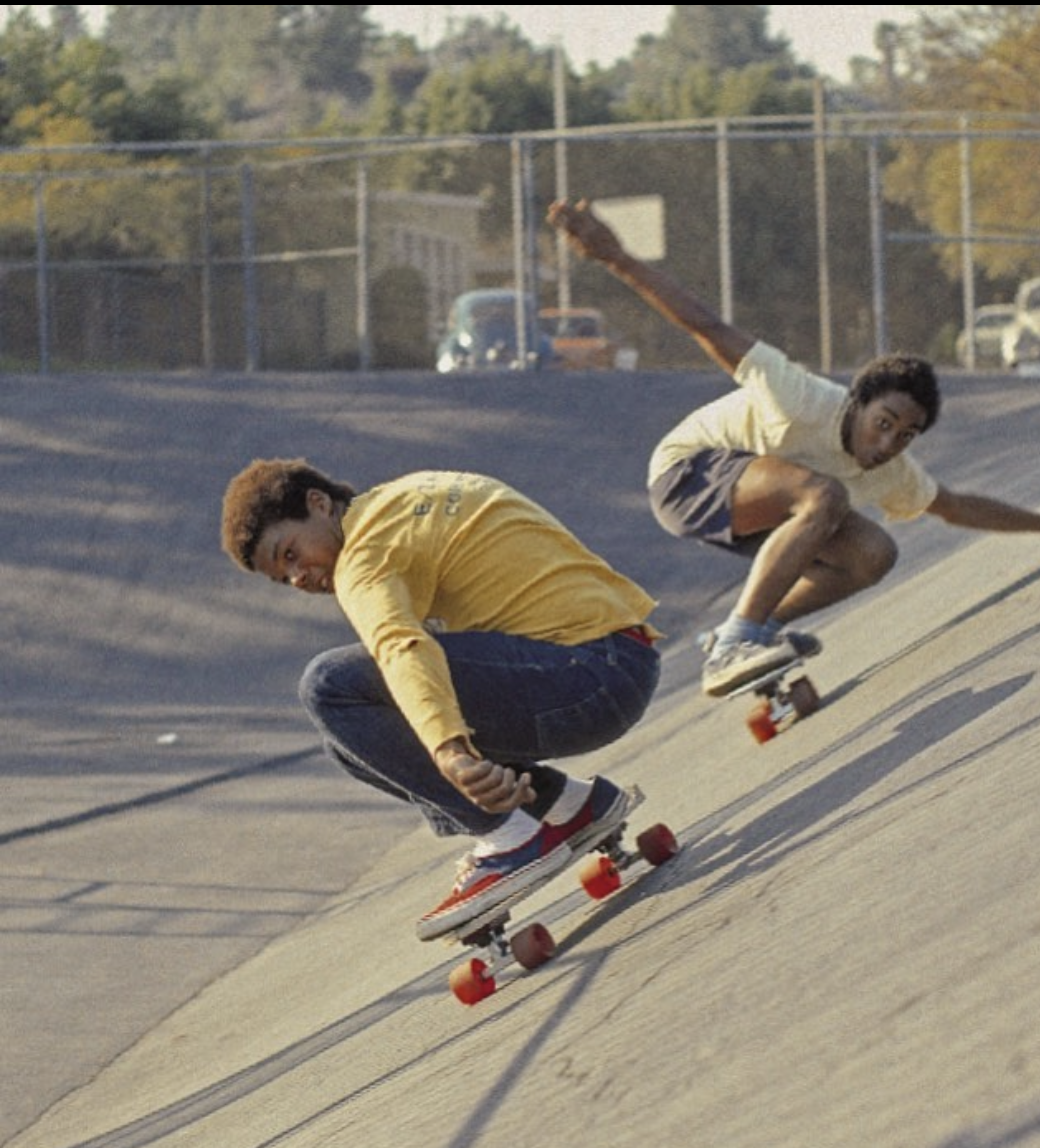
Documentary warmth: real skill, golden light, film grain.
Motion is identity, on a budget.
The product may only appear in this book as real captures.
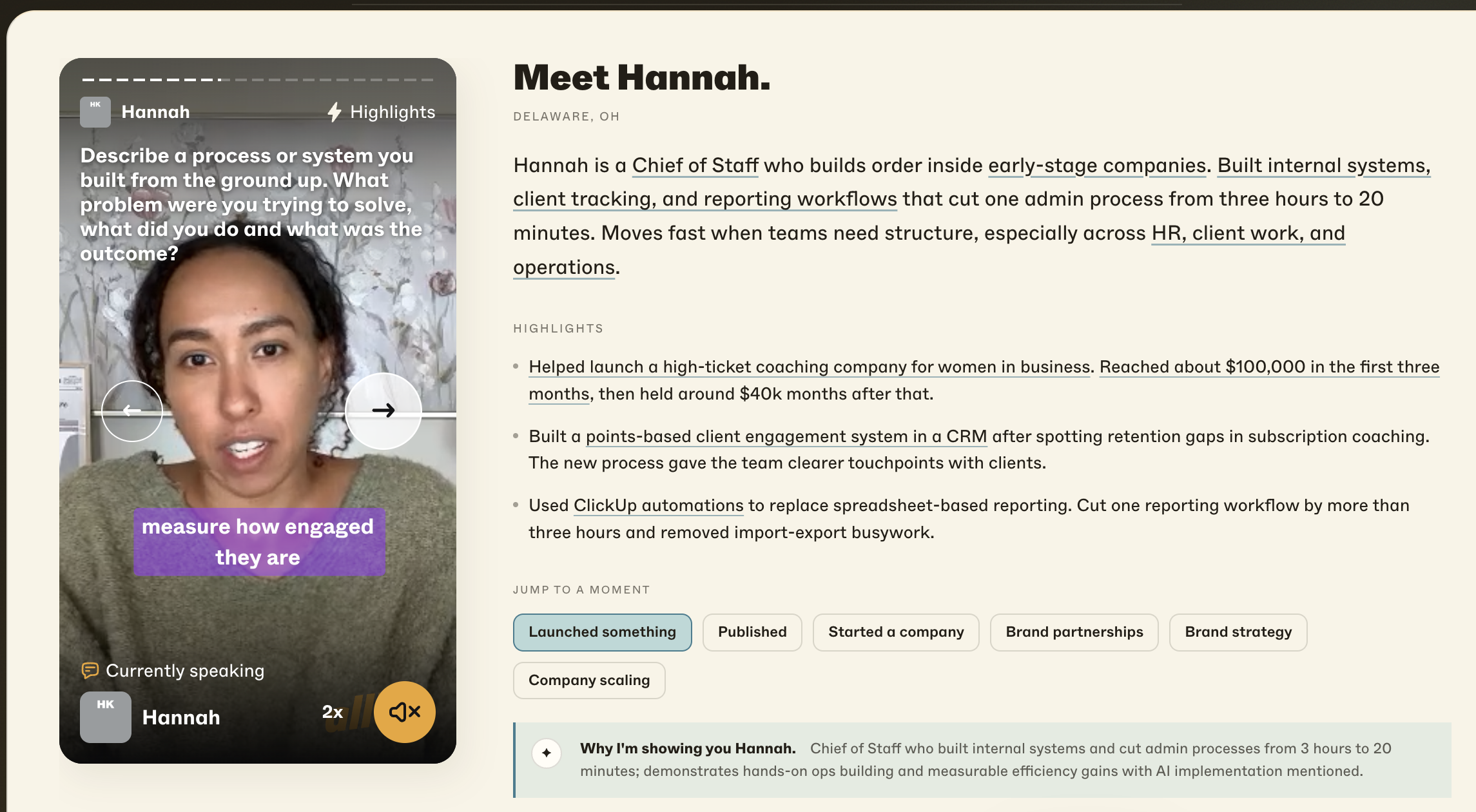
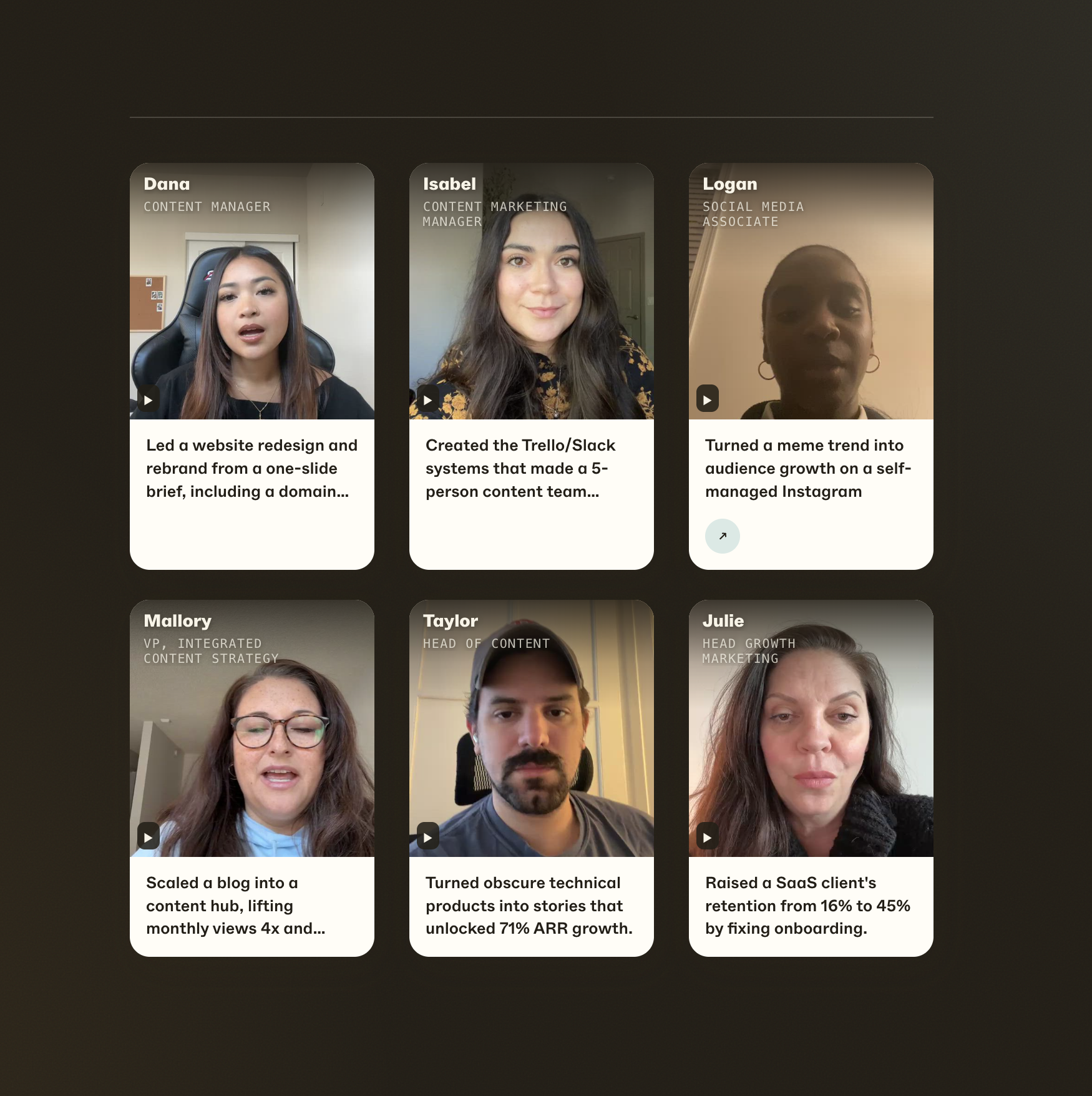
These captures show the Open Air design system in the current product prototype: one person speaking for herself, then a field of candidates made visible through work they have actually done. Companies meet people and their stories instead of an application pile.
These accepted application studies show how the system can extend to a billboard, apparel, and social content without pretending that concept work has shipped.
Hiring is a joke. Good people aren't that hard to find.
Signing mode keeps the approved wordmark disciplined. Play mode lets the name and image system become expressive material. The four examples below are accepted concept directions, not manufactured products.
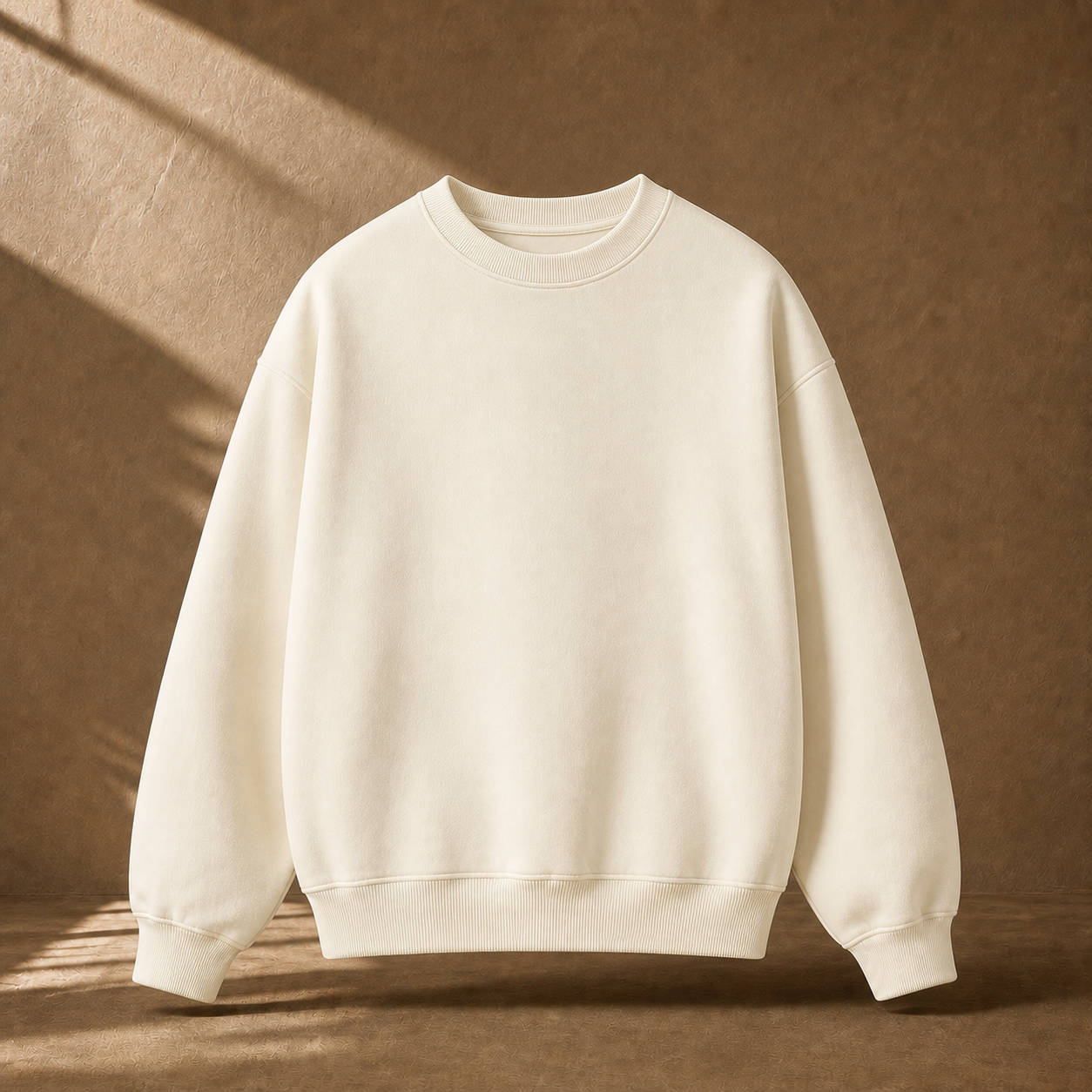
Quiet sky-blue signature at the left chest.
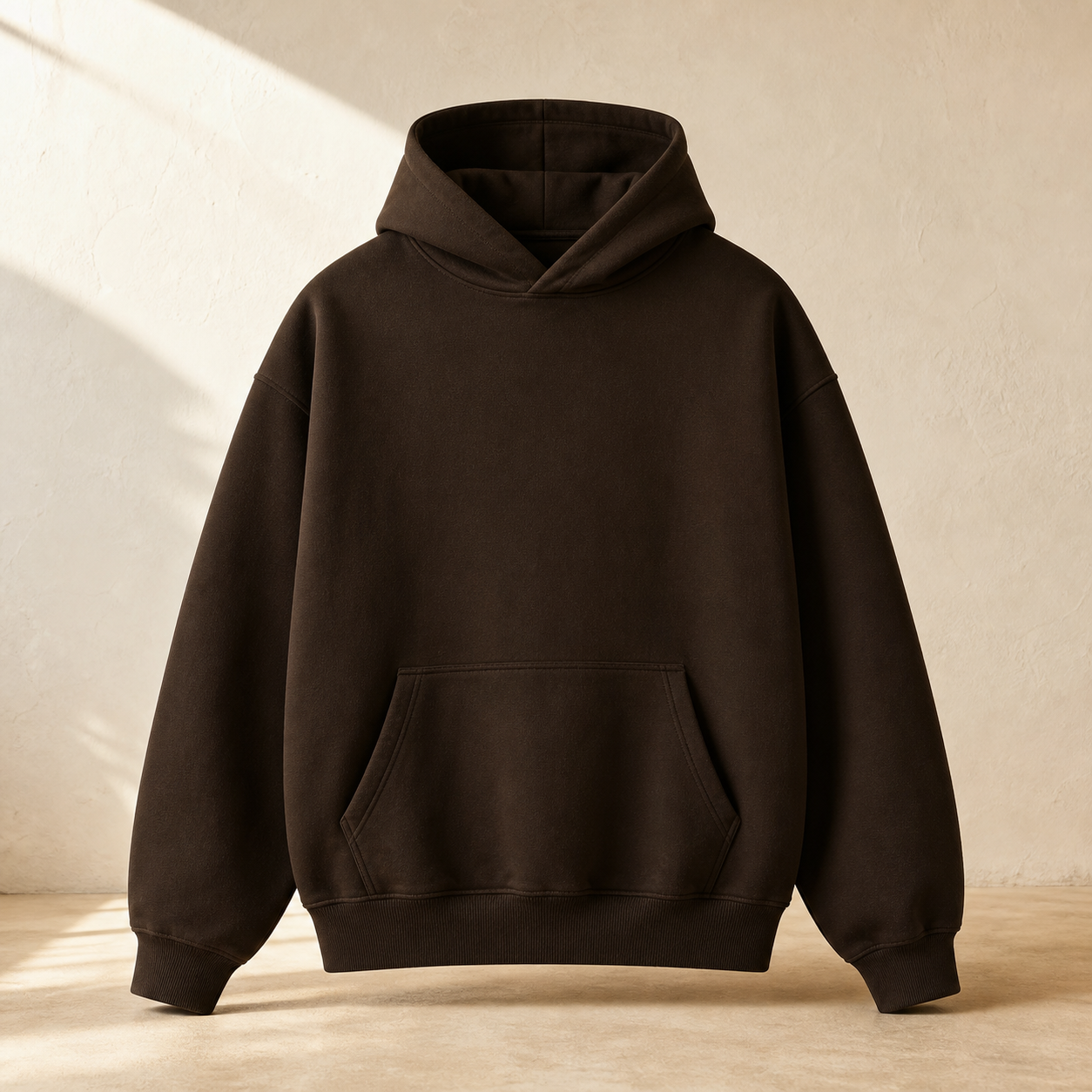
Centered dawn-white signature with a more immediate brand read.
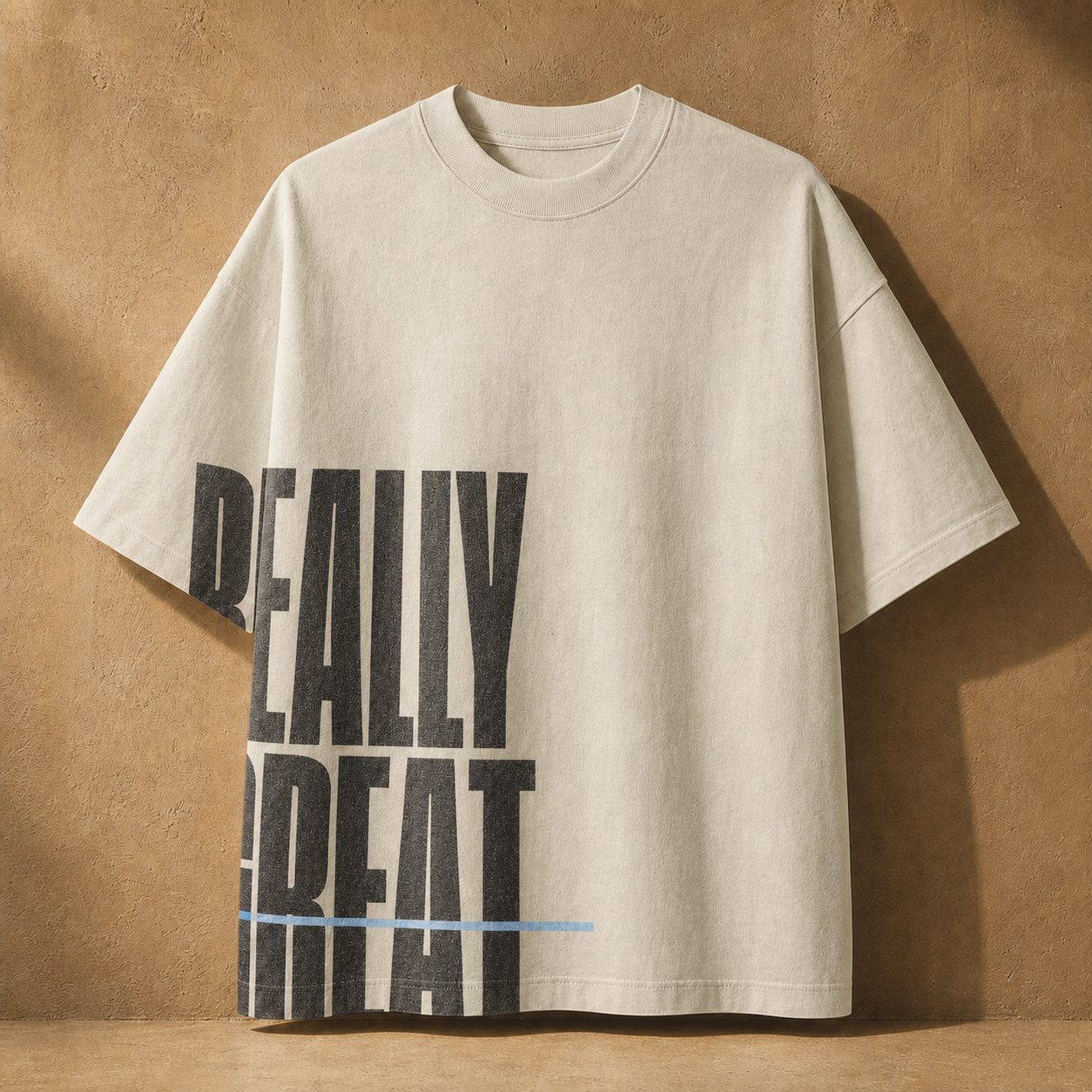
Scale and absence turn the name into an expressive typographic object.
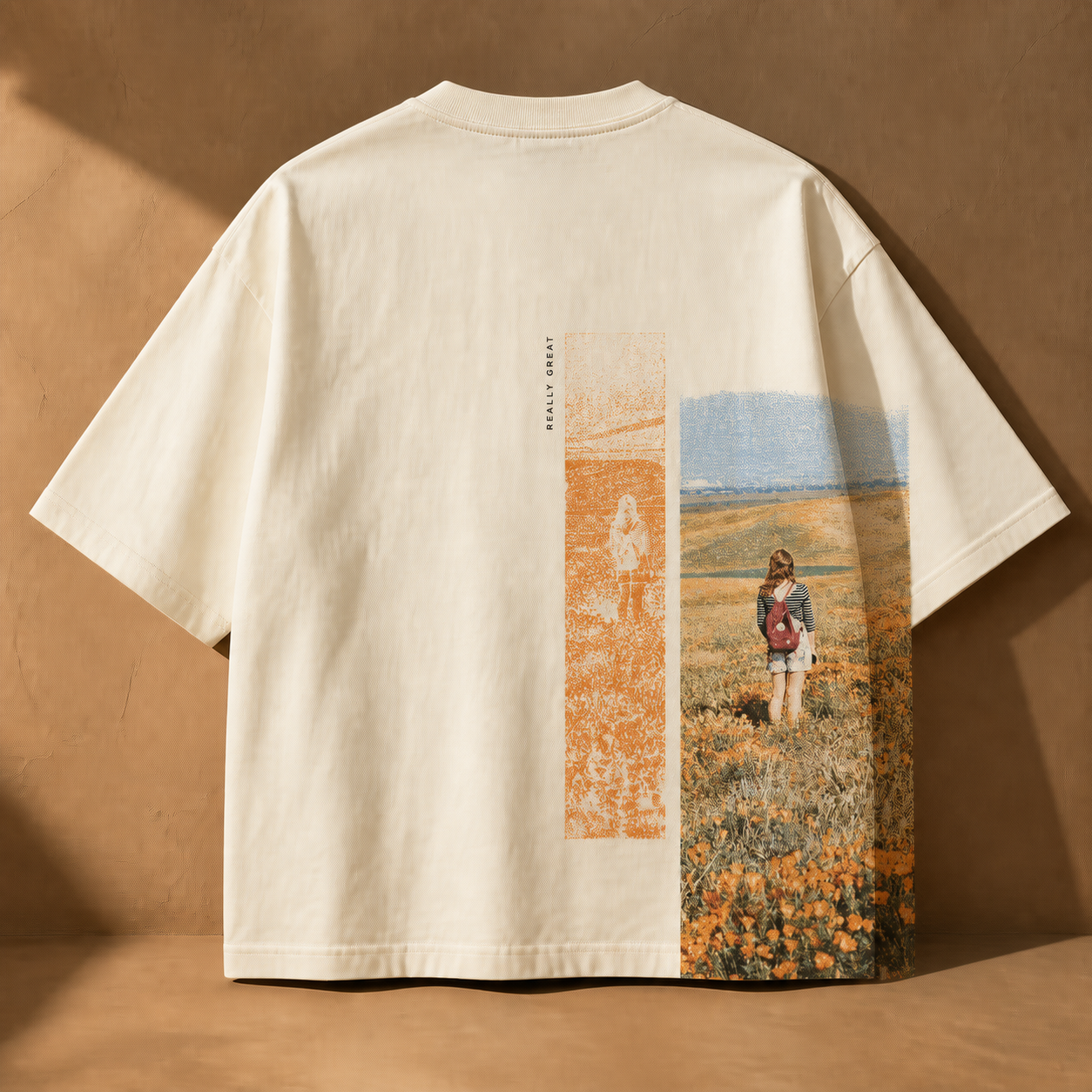
The approved image system becomes an artist-edition print treatment.
If a surface breaks one of these, it is off-brand no matter how good it looks.
Hiring can be really great.
A compact field guide for choosing the right rule, finding the current source, and knowing what is ready to ship.
Reference rendering · Repository wins on implementation drift
Choose the question you have. Every card below links directly to the relevant module. Use Notion for deeper team-facing brand guidance and the repository for code.
Which mark, which color, where it appears, and whether the asset is final.
Go to Mark → 03 ColorExact reference values, semantic jobs, and the source that wins on drift.
Go to Color → 04 Type and voiceWho speaks in which face, plus the provenance gate for literal examples.
Go to Type and voice → 05 People and imageryFull color, reason for being shown, and the boundary between product and brand imagery.
Go to People and imagery → 06 Registers and motionThe daylight world, the watcher's room, and the one-motion budget.
Go to Registers and motion → 07 ApplicationsSigning mode, play mode, honest concept labels, and production status.
Go to Applications → 08 HandoffWhere assets and code live, plus the final pre-ship check.
Go to Handoff → Status Read the label.Approved, Reference only, Open, and Retired are not interchangeable.
Go to Status →Scan the approved rules, status, source, and next required action.
The accessible home for canonical brand documents, rationale, and shared standards.
OPEN-AIR.md, tokens, components, semantic aliases, and tests.
The standard is strict so the play can be loose. The a19 wordmark signs the company. The compact avatar comes from the same capital letterforms. Play treatments belong only where expression is the job.
Sky on dawn or raised surfaces.
Dawn on umber.
Always use the approved one-line vector. Once per screen in a signature position. Height based: 26px mobile, 30px desktop. Never inside running copy. The owner search canvas deliberately carries no wordmark.
Dawn on umber is the approved direction. A lettering designer must refine the lower joint before production exports.
On T-shirts, editions, selected social, stickers, zines, and event graphics, the words may be stacked, split across lines, cropped, repeated, or rearranged as artwork. These are play treatments, not alternate official logos.
In product, navigation, footers, official documents, company profiles, contracts, and investor or partner materials, never split or stack Really and Great. No gradients, outlines, effects, or extra punctuation.
Navigation, footer, official documents, and browse surfaces. Not every canvas needs it.
Running uses of “really great” remain plain text. The name's double meaning should stay effortless.
Download approved SVG
The packaged file matches the canonical vector. The same approved file must also be added to the shared Notion asset library. Repository source: Marks/vector/really-great-wordmark.svg.
Sky tells you what is alive. Sun tells you where to act. Paper holds them apart. People supply the color and life.
#F8F4E7#FFFDF6#231E16#3E7D90#B8D9D7#F4B248| Token | Job | Never |
|---|---|---|
dawn | The one warm page ground. | Cool white. |
dawnRaised | Raised cards and work sheets. | A second identity ground. |
umber | Reading ink and the dark room behind people. | Navy or monitor-blue. |
sky | State: live, open, saved, or active. | A button or CTA. |
sky.tint | A wash for wells and active fills. | A large identity field. |
sun | The one lit action and the sun's trace. | A status, badge, or field. |
warmSoft | Default raised shadow: 5px 10px 28px rgba(64,48,22,.09). | Cool or black shadows. |
warmFloat | Floating sheets: 8px 22px 54px rgba(64,48,22,.11), 2px 4px 12px rgba(64,48,22,.06). | Heavy elevation everywhere. |
Three typographic jobs, no extra voices. Whyte is the product and brand voice. DM Serif Italic belongs only to verbatim human speech. Mono is chrome.
UI, headings, body, buttons, brand copy, and everything the agent says. Weights 400 to 700.
Only verbatim words a real person said, inside quotation marks. Never a paraphrase, tagline, or interface instruction.
Uppercase tracked eyebrows, badges, counts, durations, and section labels. Human words never render in mono.
“measure how engaged they are”
Hannah · verbatim word pop visible in the accepted Open Air prototype capture · July 2026 · Reference only
People in the world, not workers at work. On brand, marketing, and social surfaces, imagery expresses possibility through open space, daylight, calm nerve, and people seen rather than staged. It never appears inside the product; real interview footage is the product's imagery.
Never desaturate, halftone, or print-treat a real person. The brand sells the texture those treatments remove.
Show the quote, role, description, or situation that explains why the person is here.
No world photography inside the product. Real interview footage supplies the chroma.
Fields, water, roads, ramps, and open sky. Never offices, conference rooms, desks, whiteboards, handshakes, or staged collaboration.
Two rooms, one weather. The daylight working world holds action on warm paper. The dark watcher's room focuses attention on people. It is not a separate mode or palette.
Dawn ground, umber ink, sky state signals, and one sun action. Recording and working happen here without examination-room anxiety.
Umber ground, warm ambient cast, restrained brand accents, and people supplying the color. Light work sheets inside it remain dawn raised.
Marks a room opening or an empty state receiving content.
Owns the state while the first people arrive.
Never stack it on moving video. Reduced motion disables every ambient effect.
Approval is not one thing. A direction can be accepted while its final asset or production implementation remains unfinished.
| Item | Status | What that means | Next required action |
|---|---|---|---|
| A19 standard wordmark | Approved | Safe to use under the standard mark rules. | Use the one-line canonical vector. |
| Open Air system law | Approved | Color, type, people, register, and motion rules are locked. | Use repository sources for implementation. |
| Touching R+G avatar | Reference only | Composition and dawn-on-umber direction are accepted. The joint is not production-ready. | Designer redraw and small-size review. |
| Open Air product captures | Reference only | They prove the prototype expression, not shipped production. | Keep the prototype caption and date. |
| A2 and B2 apparel | Reference only | Garment, placement, and color direction are accepted. | Production artwork, sizing, method, and proof. |
| Off-Register Crop and Field Study | Reference only | Composition and play-mode role are accepted. | Redraw, separate inks, and proof. |
| Literal implementation copy set | Open | No product, email, outreach, campaign, or partner set has passed provenance review. | Complete the I06 phrase audit. |
| Notion brand canon and asset library | Open | The team-facing canonical documents, stable appendix links, and shared asset download are not yet published. | Sync the approved canon and packaged wordmark to Notion before external distribution. |
| HTML wordmark download | Approved | The canonical SVG is packaged with this candidate and linked directly from the Mark system. | Preserve the asset path when publishing the HTML bundle. |
| Prime Time navy system, m03/m05 monograms, Ghost Script | Retired | Historical context only. Do not return them to active work. | None. |
Go to the source that owns the question. Notion holds the team-facing brand guidance. The repository holds implementation details.
Canonical brand documents, shared standards, rationale, and approved asset links for the team.
Open: sync requiredCode rules, semantic aliases, scope classes, current paths, and known implementation gotchas.
apps/prototypes/src/prototypes/really-great-v3/OPEN-AIR.md
The shared Tailwind preset and Really Great alias layer own the values components actually use.
packages/shared/src/tailwind-preset.js
really-great-v3/lib/brandTokens.ts
components/RetroStyle.tsx
Paste the distilled context into an agent before UI, brand, marketing, or copy work.
really-great-v3/OPEN-AIR-AGENT-CONTEXT.md
Run this when a design, product screen, campaign, or asset is ready for final review. Every answer should be Yes. If an answer is No or Unsure, use the link beside it to return to the relevant rule and resolve it before publishing or production.
Really Great Brand Book · Version 1.8 · July 2026. Working baseline with the accepted name-first opening, story and voice systems, application studies, implementation appendix, and surgical Chapters 2 and 3 cleanup.